o que é pé de atleta Pé de atleta: você sabe o que é?
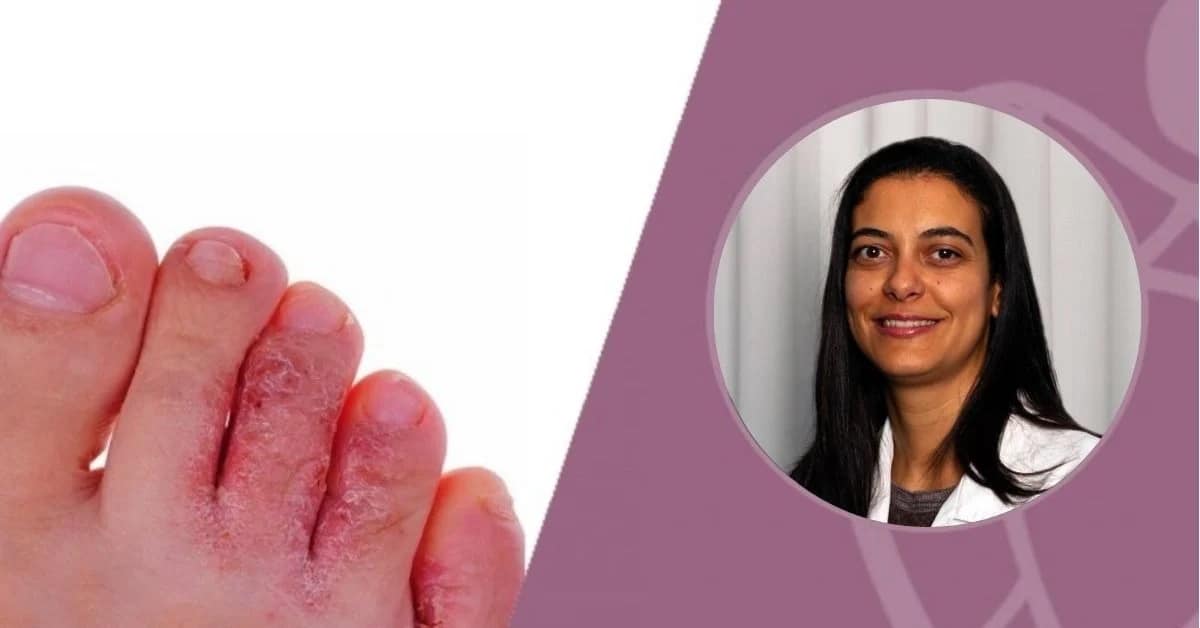
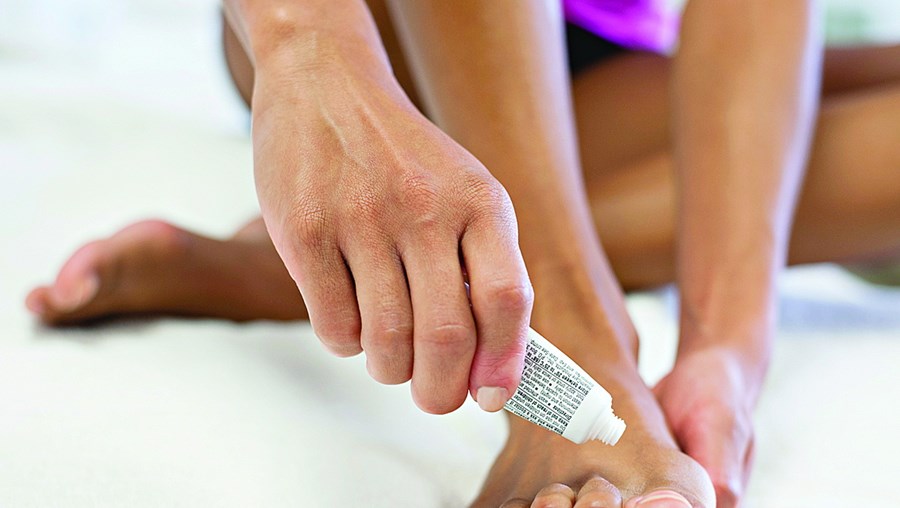
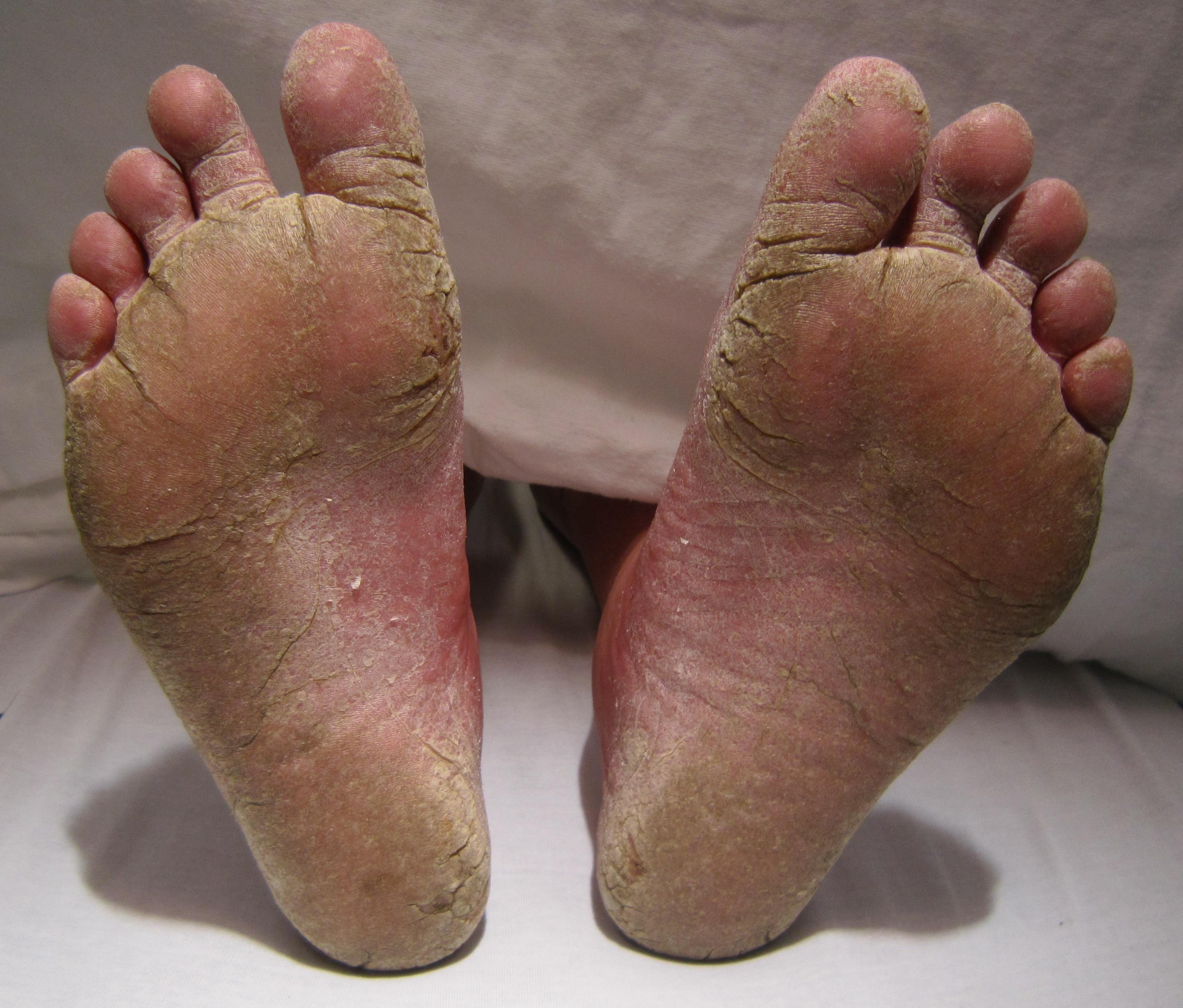
Athlete’s foot, also known as tinea pedis, is a fungal infection that affects the skin on the feet. This condition is very common, particularly among athletes, hence the name. However, anyone can get athlete’s foot, regardless of their level of physical activity. The infection is highly contagious and can spread from person to person, especially in warm and humid environments such as locker rooms and public pools. In this post, we’ll discuss the symptoms, prevention, and treatment of athlete’s foot. Symptoms The symptoms of athlete’s foot can vary depending on the severity of the infection. However, some of the common signs include: - Itching, burning, and stinging between the toes - Redness and scaling of the skin on the feet - Blisters on the soles of the feet - Thick, crumbly, and discolored toenails Prevention Preventing athlete’s foot is easier than treating it. Here are some tips to help you avoid getting this fungal infection: - Keep your feet clean and dry: Make sure to wash your feet regularly with soap and water, especially after exercising or being in a public place. Dry your feet thoroughly, paying close attention to the areas between your toes. - Wear shoes that fit well: Make sure your shoes are not too tight or too loose, as this can cause excessive sweating and increase your risk of getting athlete’s foot. Wear socks made of breathable materials, such as cotton or wool, to keep your feet dry. - Avoid walking barefoot: Wear sandals or flip-flops in public areas such as locker rooms, showers, and swimming pools to avoid getting in contact with the fungus. - Keep your toenails trimmed: Trim your toenails regularly to prevent them from becoming thick and discolored. Treatment If you already have athlete’s foot, don’t worry. This fungal infection can be treated effectively with over-the-counter anti-fungal creams and powders. Here are some of the treatments that you can use: - Topical anti-fungal creams: Apply an anti-fungal cream, such as clotrimazole or miconazole, to the affected area twice a day for 2-4 weeks. - Anti-fungal powders: Use an anti-fungal powder, such as tolnaftate or terbinafine, on your feet and inside your shoes to prevent the fungus from growing. - Prescription medication: If your athlete’s foot is severe or does not respond to over-the-counter treatments, your doctor may prescribe oral anti-fungal medication. In conclusion, athlete’s foot is a common fungal infection that can be prevented and treated with simple measures. By keeping your feet clean and dry, wearing well-fitting shoes and socks, and avoiding walking barefoot in public areas, you can significantly reduce your risk of getting this unpleasant condition. If you do get athlete’s foot, don’t worry. With the right treatment, your feet will be back to their healthy, happy state in no time. Don’t let this pesky fungus ruin your day.
If you are looking for Pé de atleta: Você sabe o que é? you’ve came to the right web. We have 5 Pictures about Pé de atleta: Você sabe o que é? like Pé de atleta: Você sabe o que é?, Pé de Atleta, o que é? Sintomas, Prevenção e Tratamento - Core Clinic and also Pé de Atleta | Saúde Dicas. Read more:
Pé De Atleta: Você Sabe O Que é?
 suplementosbrasil.orgشکل و رفتار پاهای شما نشان دهنده کدام بیماری است؟
 pgnews.irPé De Atleta, O Que é? Sintomas, Prevenção E Tratamento - Core Clinic
 www.coreclinic.ptPé De Atleta: Saiba Reconhecer Os Sintomas E Como Prevenir A Doença
 www.sabado.ptPé De Atleta | Saúde Dicas
 www.saudedicas.com.brPé de atleta, o que é? sintomas, prevenção e tratamento. Pé de atleta. Pé de atleta: você sabe o que é?