should you count calories or macros Protein welcome
Counting calories has been a popular weight loss technique for many years. It involves tracking the number of calories consumed and burned throughout the day. However, the question remains, is counting calories and macros a necessary step when it comes to achieving your health and fitness goals? In this post, we will explore the pros and cons of counting calories and why or why not it may be a useful tool for you. When it comes to losing weight or improving your overall health, the number of calories you consume is essential. Calories are the energy source that fuels our bodies, and consuming too many can lead to weight gain. Counting calories can help you understand how much energy you are consuming in a day and help you make more informed choices about the foods you eat. With the help of calorie counting apps, it has never been easier to keep track of your daily intake and monitor your progress. In addition to counting calories, tracking your macros or macronutrients can also be beneficial. Macros refer to the three macronutrients that are essential for our bodies: carbohydrates, fats, and proteins. By keeping track of these, you can ensure that you are getting the right balance of nutrients for your body’s needs. Some people find that tracking macros can help them achieve their fitness goals, whether it’s building muscle, losing weight or maintaining overall health. However, there are downsides to counting calories and macros. Firstly, it can be time-consuming and require a lot of mental effort. Many people find it difficult to stick to a strict calorie or macro count, which can lead to feelings of guilt or failure if they go over their daily limit. This can even lead to disordered eating habits, which is especially harmful to those with a history of eating disorders. Another downside of counting calories is that it ignores the quality of the food you are consuming. Consuming empty calories from junk food, for example, can still fit into a daily calorie allowance, but it won’t provide your body with the nutrients it needs. Counting calories can also create a narrow focus on the number on the scale, rather than focusing on other important aspects of health, such as how you feel or the strength of your immune system. In conclusion, counting calories and macros can be a beneficial tool to help you achieve your health and fitness goals. It can help you understand how much energy you are consuming in a day, make informed choices about the food you are eating, and ensure that you are getting the right balance of nutrients for your body’s needs. However, it can also be time-consuming, mentally taxing, and lead to disordered eating habits. Ultimately, it’s up to you to decide whether counting calories and macros is right for your lifestyle and fitness goals. Remember, health is not just about a number on a scale, but rather a combination of physical, mental, and emotional well-being.
If you are looking for Should You Count Calories? | This Might Help You Decide you’ve visit to the right page. We have 5 Pics about Should You Count Calories? | This Might Help You Decide like Should You Count Your Calories & Macros? Why or Why Not?, Should You Count Calories & Macros? Why or Why Not? - YouTube and also The Role Of Carbohydrate, Fat And Protein As Fuels For Aerobic And. Read more:
Should You Count Calories? | This Might Help You Decide
 thehartofhealth.comShould You Count Calories & Macros? Why Or Why Not? - YouTube
 www.youtube.comThe Role Of Carbohydrate, Fat And Protein As Fuels For Aerobic And
 doingoke.blogspot.comprotein welcome
How To Count Macros & How Many Calories Should You Eat? - The Fit Habit
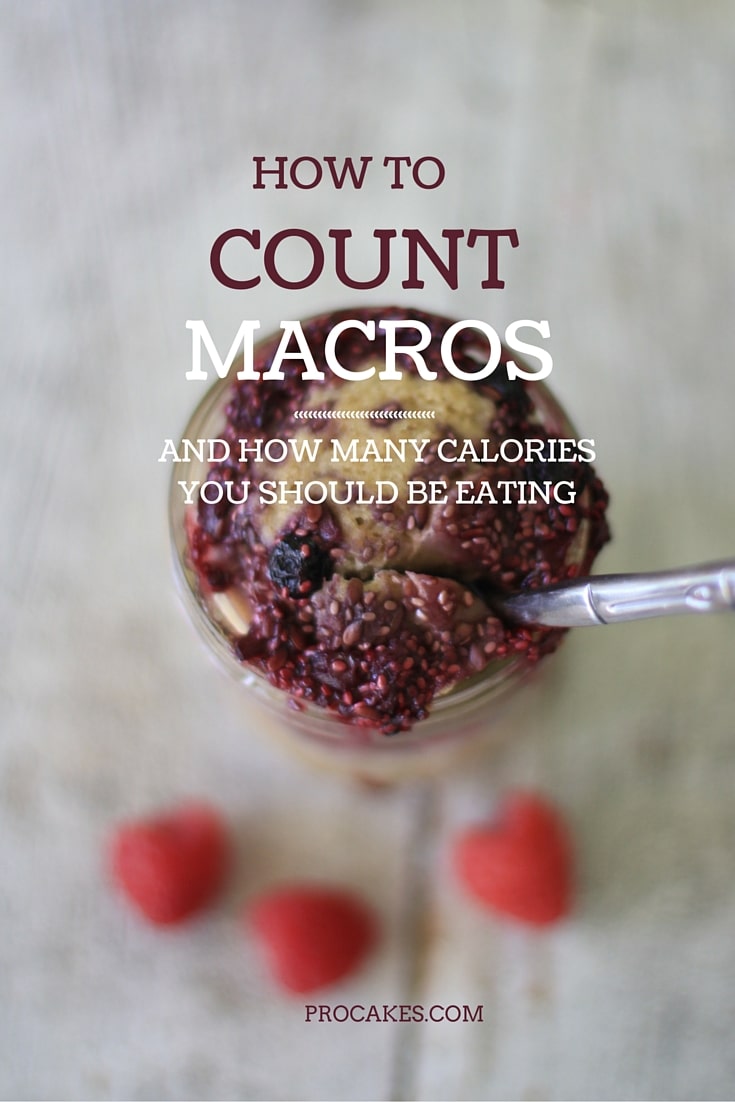 www.thefithabit.commacros calories count eat many should
Should You Count Your Calories & Macros? Why Or Why Not?
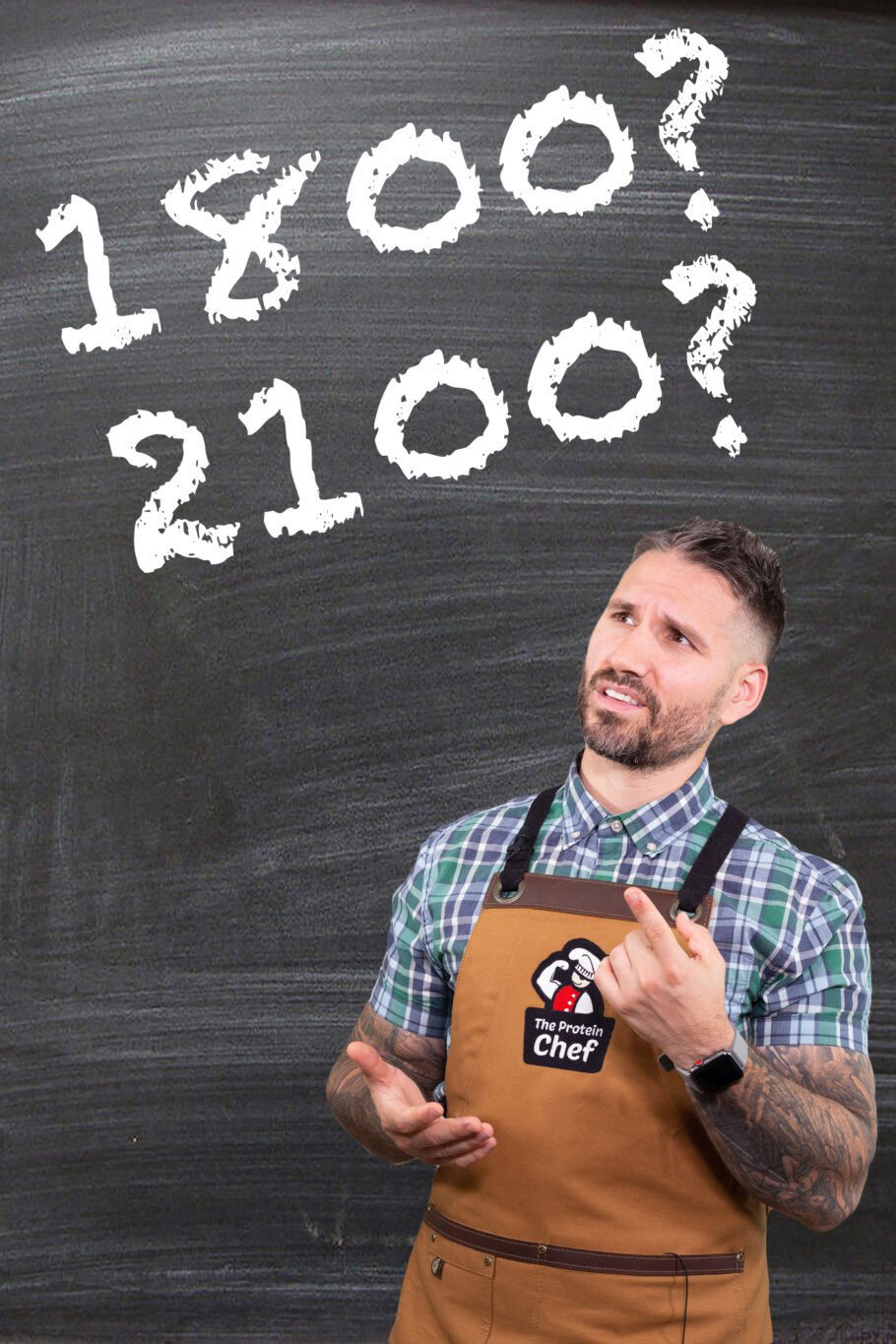 theproteinchef.comacros
Should you count your calories & macros? why or why not?. Should you count calories & macros? why or why not?. The role of carbohydrate, fat and protein as fuels for aerobic and